
John Oduro
 IoT, Ai, Robotics
 0 comment
 15 Mar, 2026
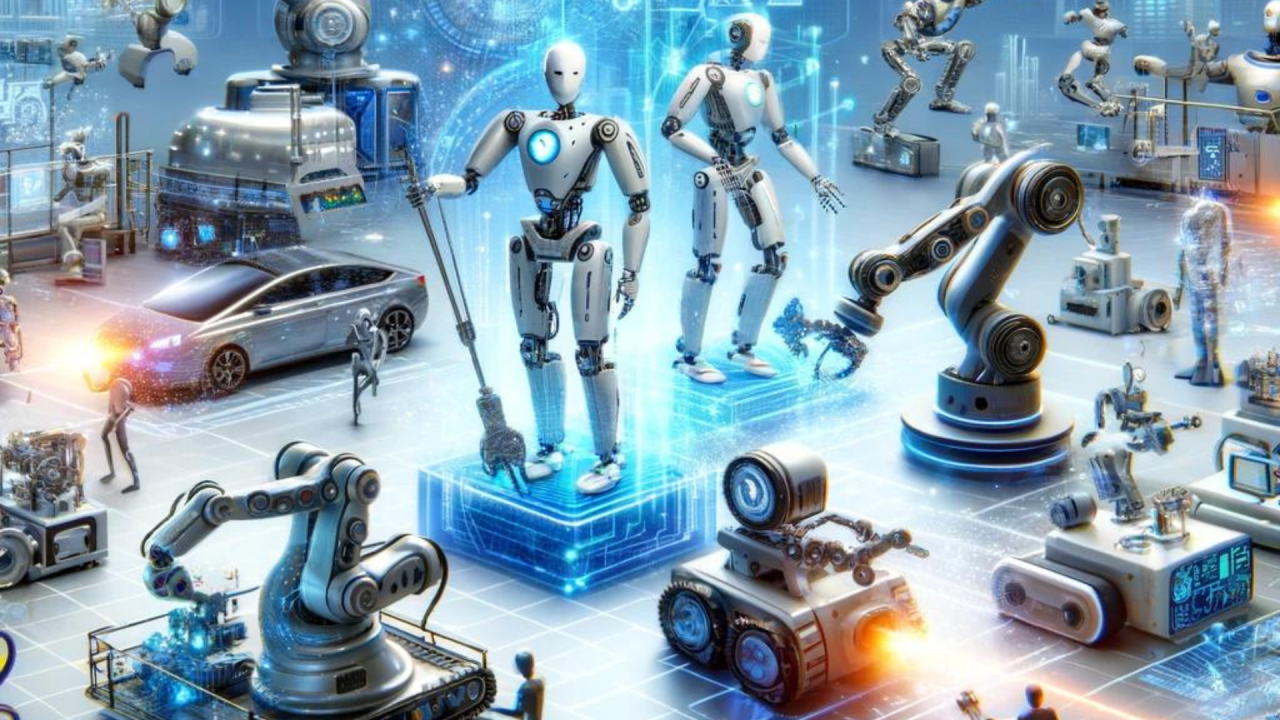
Addressing the skilled labor shortage remains a priority for us manufacturers. Implementing smart factory solutions may be a solid first step in boosting productivity. Another key focus area is enhancing supply chain resilience through digitalization. The market has also been clear that differentiation in customer service and aftermarket services is crucial to remain competitive.
Generative AI has great potential to revolutionize some of these pressing issues, specifically product design, service quality and supply chain management. While it’s still in its early days, AI will likely allow manufacturers to cut costs and tackle labor challenges.
Collaborative robots (cobots) are becoming increasingly popular, working alongside humans to enhance productivity without replacing jobs. As they are designed to be user-friendly and safe for close human interaction, they are ideal for applications like welding, assembly and product inspection. A reduction in lost time injury rates is a beneficial corollary. They are also now more affordable and flexible, making it easier for SMEs to adopt automation technologies they previously could not afford.
Crucially, AI is helping anticipate maintenance needs before machinery breakdowns occur. This can minimize downtime and extend the life of equipment. AI-driven quality control, using advanced image recognition and machine learning algorithms, is making it easier for manufacturers to detect defects, reduce waste and ensure higher product quality.
At the core of the development of smart factories, interconnected devices are optimizing production processes via real-time data exchange. IoT is also improving supply chains, providing real-time tracking of goods and enabling manufacturers to manage supply chains more efficiently. The benefits include reduced inventory costs and faster adaptation to market changes.
My company, Steel Craft, is in the process of integrating more robotics and automation in laser-cutting and brake press operations to increase our lights-out capability. I've found that no matter how helpful technology might be, it’s essential to maintain a stable workforce, which ties back to an improved employee experience. This could mean overhauling your benefits program or introducing a bonus scheme.
Being proactive about integrating AI and robotics on the manufacturing floor and back office functions can help your business become more efficient. As you are upskilling your team members to operate new automated machinery and to ease their transition from manual roles to more technologically advanced roles, assuring employees about job security and benefits is critical.
By focusing on data, manufacturing companies can align themselves with the latest industry practices—which is essential for staying competitive and efficient in today's market. For us, there's been a notable change in our design and engineering processes since we introduced computer-aided design and engineering software. In the past, we hadn't truly tapped into the full potential of data analytics. Integrating these elements into our operations and shifting to a data-driven approach has given us the information needed to make decisions and adjust our strategies.
I think blending traditional manufacturing with modern technology will see the industry continuing on its growth trajectory. It’s a thrilling time for both the sector and the workforce. To make AI integration work, leaders need to connect directly with team members on the ground—the skilled workers on the shop floor and the experts in the back office.
Identifying repetitive and time-consuming tasks that can be automated eases the burden on employees and can help reduce burnout. As companies continue to delegate more monotonous tasks to machinery, investing in upskilling and cross-training also gives employees new growth opportunities. Boosting motivation is key to fully harnessing the expertise of team members and bringing your operations to the next level through collaboration between humans and machinery.


John Oduro
0 comment